Quick Picks: Best Drills and Drivers
Short on time? Pick one below, then jump to the full review.
DeWalt 20V Max Brushless
Strong balance of power and control for most home projects.
Ryobi ONE+ HP 18V Brushless
Excellent performance per dollar for DIY users.
Milwaukee M18 Fuel 1/2"
High power and durability for frequent projects.
Bosch 12V Max
Compact and easy to control for everyday repairs.
Makita 18V LXT Brushless
Best long-term value if you plan to expand tools.
Black+Decker 20V Max
Affordable option for occasional home tasks.
Milwaukee M12 Fuel Installation
Perfect for cabinets and tight-space work.
DeWalt Xtreme 12V Max
Lightweight DeWalt option for quick jobs.
DeWalt 20V Max Brushless 1/2" Drill Driver – Best Overall for Home Projects

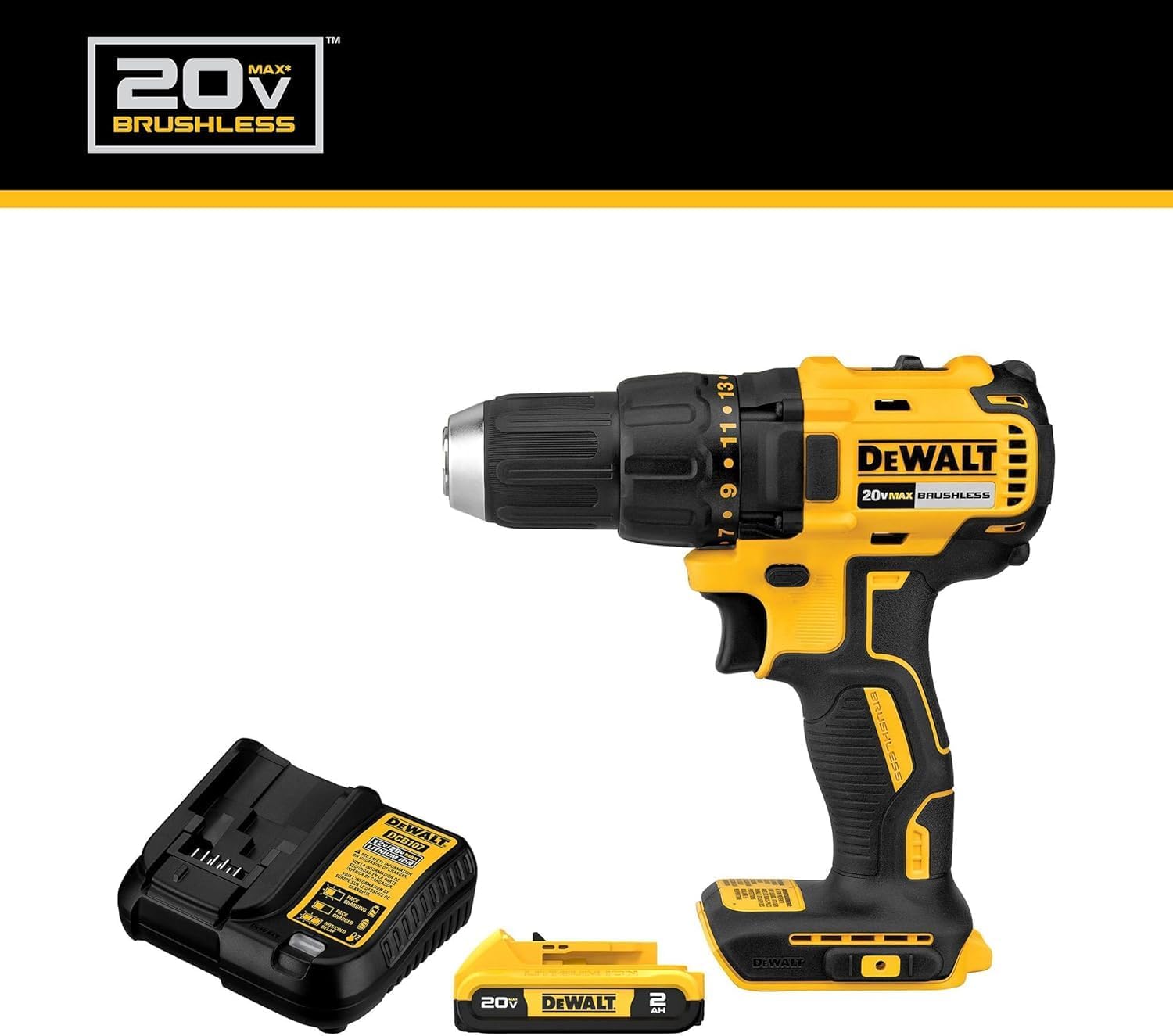

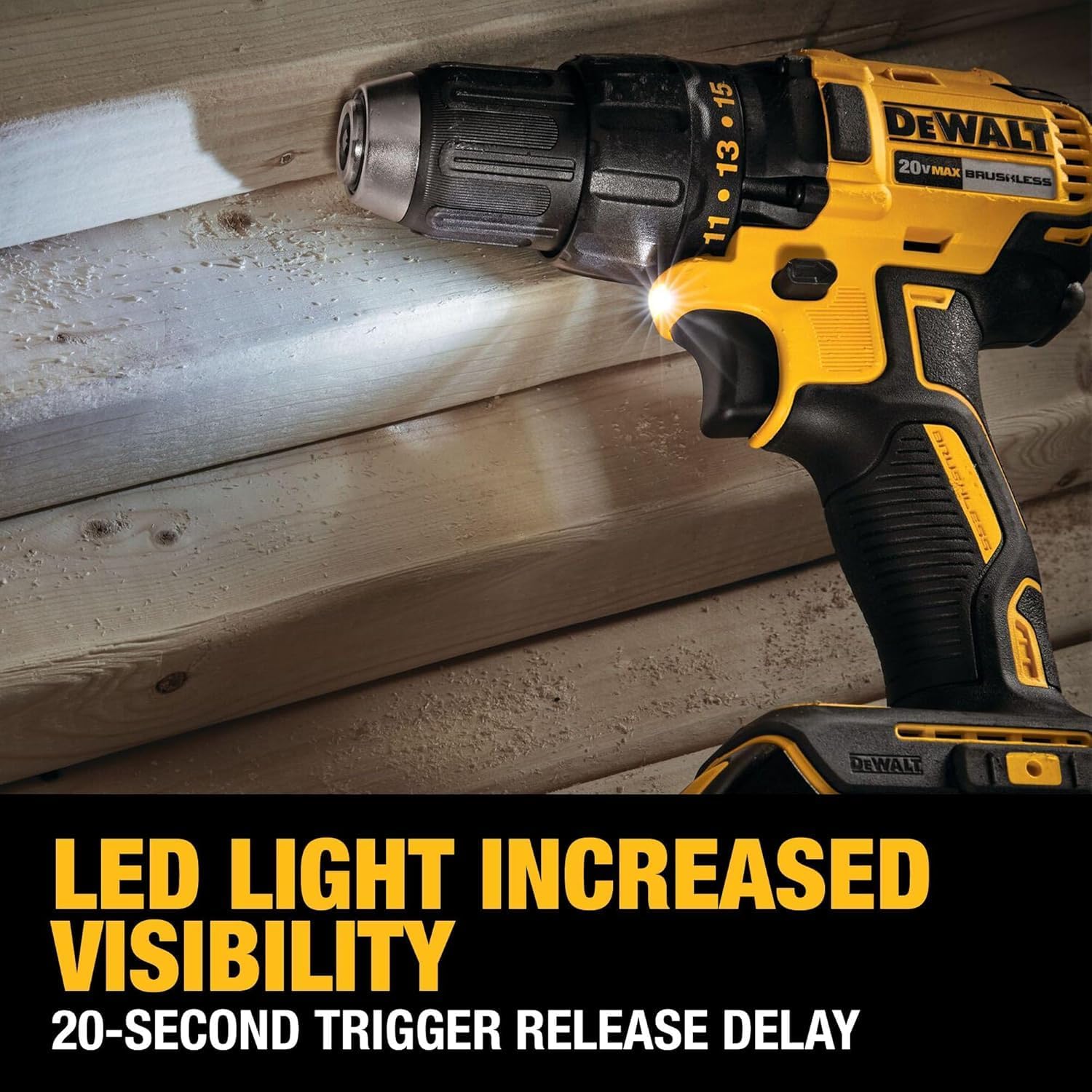


Performance in Real Home Projects
- Drills cleanly into wood, drywall, and light masonry.
- Drives long screws without stalling or cam-out.
- Good low-speed control for precise starts.
Battery, Charging, Comfort
- One battery easily covers typical DIY sessions.
- Charging speed feels reasonable for home use.
- Comfortable grip and smooth trigger control.
Pros
- Excellent balance of power and control.
- Reliable long-term build quality.
- Strong all-around performance for home projects.
Cons
- Costs more than basic budget drills.
- Overkill for very light, occasional use.
Skip this if: you only need very occasional light use or want the cheapest possible option.
Ryobi ONE+ HP 18V Brushless Drill Driver – Best Value for Money



Performance in Real Home Projects
- Handles drilling into wood and drywall with ease.
- Drives common screws smoothly for most DIY tasks.
- Enough torque for shelves, furniture, and light renovations.
Battery, Charging, Comfort
- Battery life is strong for typical homeowner sessions.
- Works with the full Ryobi ONE+ battery lineup.
- Comfortable grip and manageable weight for longer use.
Pros
- Outstanding value for the price.
- Good balance of power and control for home use.
- Huge tool ecosystem with affordable add-ons.
Cons
- Not as refined as premium models.
- Heavier than some compact 12V options.
Skip this if: you want ultra-compact size or top-tier pro durability.
Milwaukee M18 Fuel 1/2" Drill Driver – Best Premium Option


Performance in Real Home Projects
- Handles tougher drilling tasks with less bogging down.
- Strong control and speed for larger holes and denser wood.
- Great choice when you regularly push a drill harder than basic jobs.
Battery, Charging, Comfort
- Excellent runtime with larger M18 batteries for longer sessions.
- Strong ecosystem for expanding into other tools later.
- More weight than compact drills, but stable and confidence-inspiring.
Pros
- Premium power and speed under load.
- Durable build quality with an all-metal chuck.
- Excellent for frequent projects and heavier DIY work.
Cons
- Costs more than most homeowner-focused options.
- Heavier than 12V and compact drills for overhead work.
Skip this if: you mostly do light repairs or want the lightest drill possible.
Bosch 12V Max Drill Driver – Best Lightweight Option


Performance in Real Home Projects
- Great for furniture assembly, hinges, and small hardware.
- Drills cleanly into wood and drywall for light-duty jobs.
- Better control than heavier drills for careful screw driving.
Battery, Charging, Comfort
- Lightweight batteries keep the tool easy to manage.
- Fast, convenient for quick household sessions.
- Less fatigue for overhead work and ladder tasks.
Pros
- Very lightweight and compact.
- Excellent control for precise driving.
- Fits tight spaces where bigger drills struggle.
Cons
- Not ideal for heavy-duty drilling or large hole saws.
- Less power than 18V to 20V drills for tougher materials.
Skip this if: you regularly drill large holes, work with dense materials, or want one drill for everything.
Makita 18V LXT Brushless Drill Driver – Best for Battery Ecosystem


Performance in Real Home Projects
- Strong everyday drilling and driving for home repairs and DIY work.
- Good control for clean starts and consistent screw driving.
- Reliable under repeated use without feeling “cheap.”
Battery, Charging, Comfort
- Easy to expand with extra LXT batteries for longer sessions.
- Convenient if you plan to add more Makita tools later.
- Comfortable, balanced feel for typical homeowner jobs.
Pros
- Excellent long-term value through the LXT ecosystem.
- Dependable performance and solid build quality.
- Great choice for homeowners building a tool collection.
Cons
- Not always the cheapest option upfront.
- Best value shows over time if you add more tools.
Skip this if: you only want the cheapest drill for rare, light tasks and won’t build a tool system.
Black+Decker 20V Max Drill Driver – Best Budget Option
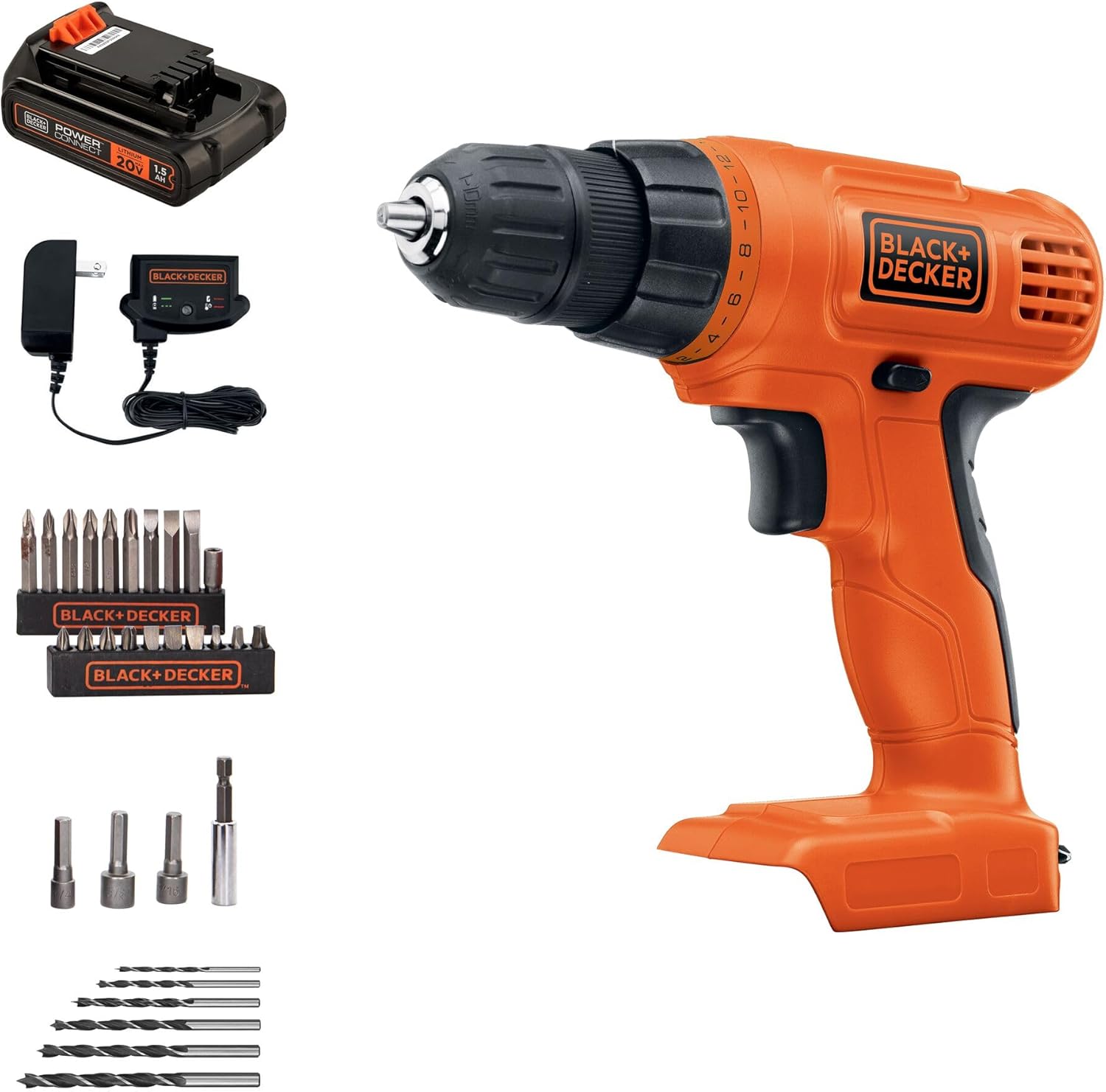


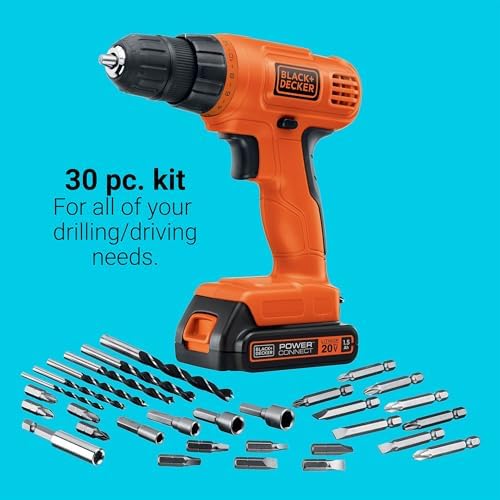

Performance in Real Home Projects
- Great for light-duty drilling in wood and drywall.
- Handles common screws for furniture and basic repairs.
- Best results when you avoid heavy loads and long fasteners.
Battery, Charging, Comfort
- Battery is convenient for short, occasional sessions.
- Lightweight feel makes it easy for quick jobs.
- Ideal as a “keep around the house” drill.
Pros
- Very affordable entry into cordless drills.
- Easy to use for beginners.
- Good for light household tasks.
Cons
- Not designed for heavy-duty work or dense materials.
- Less durable than mid-range and premium drills.
Skip this if: you plan to do frequent DIY projects, drill larger holes, or want a long-term tool ecosystem.
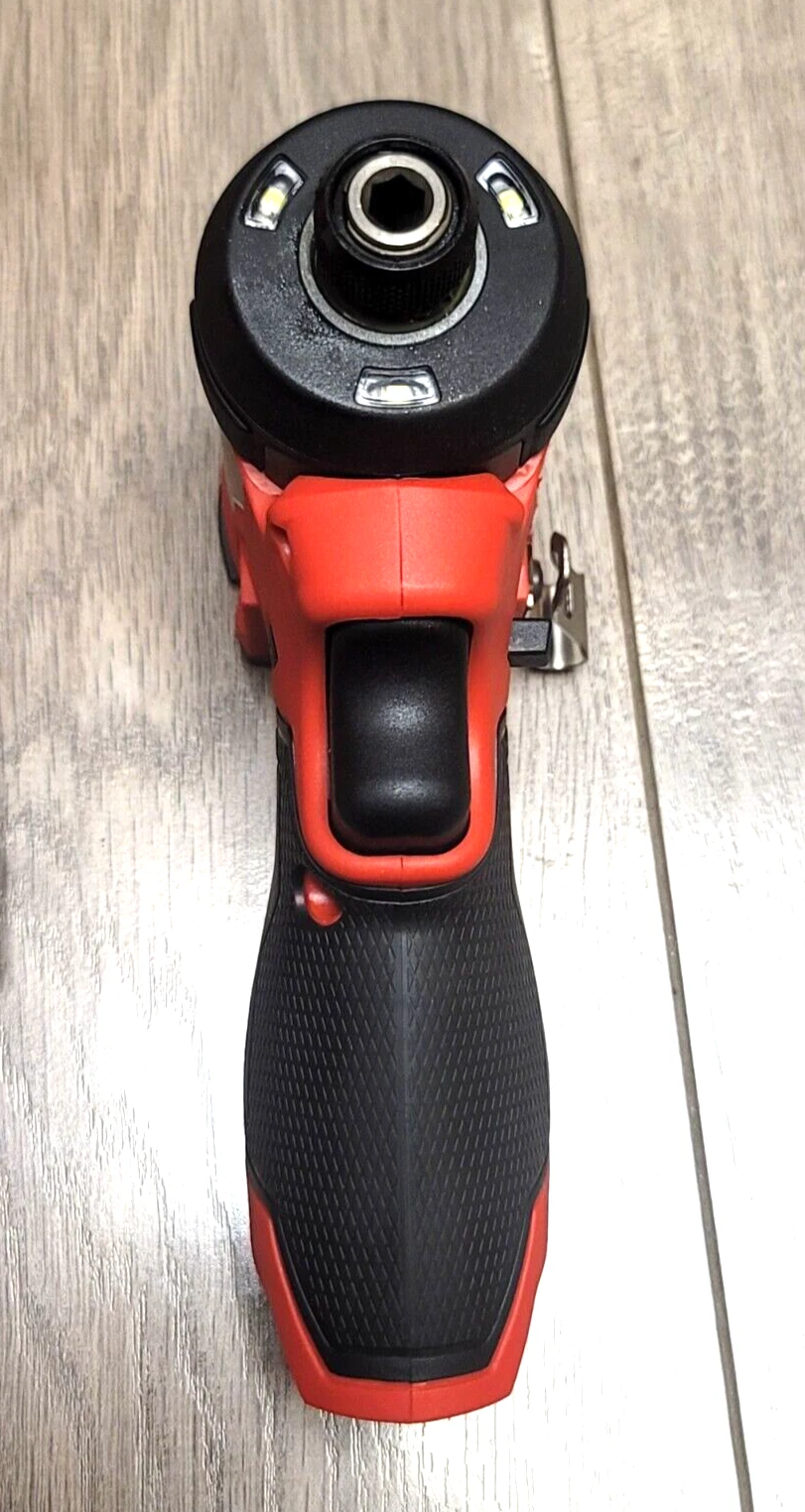
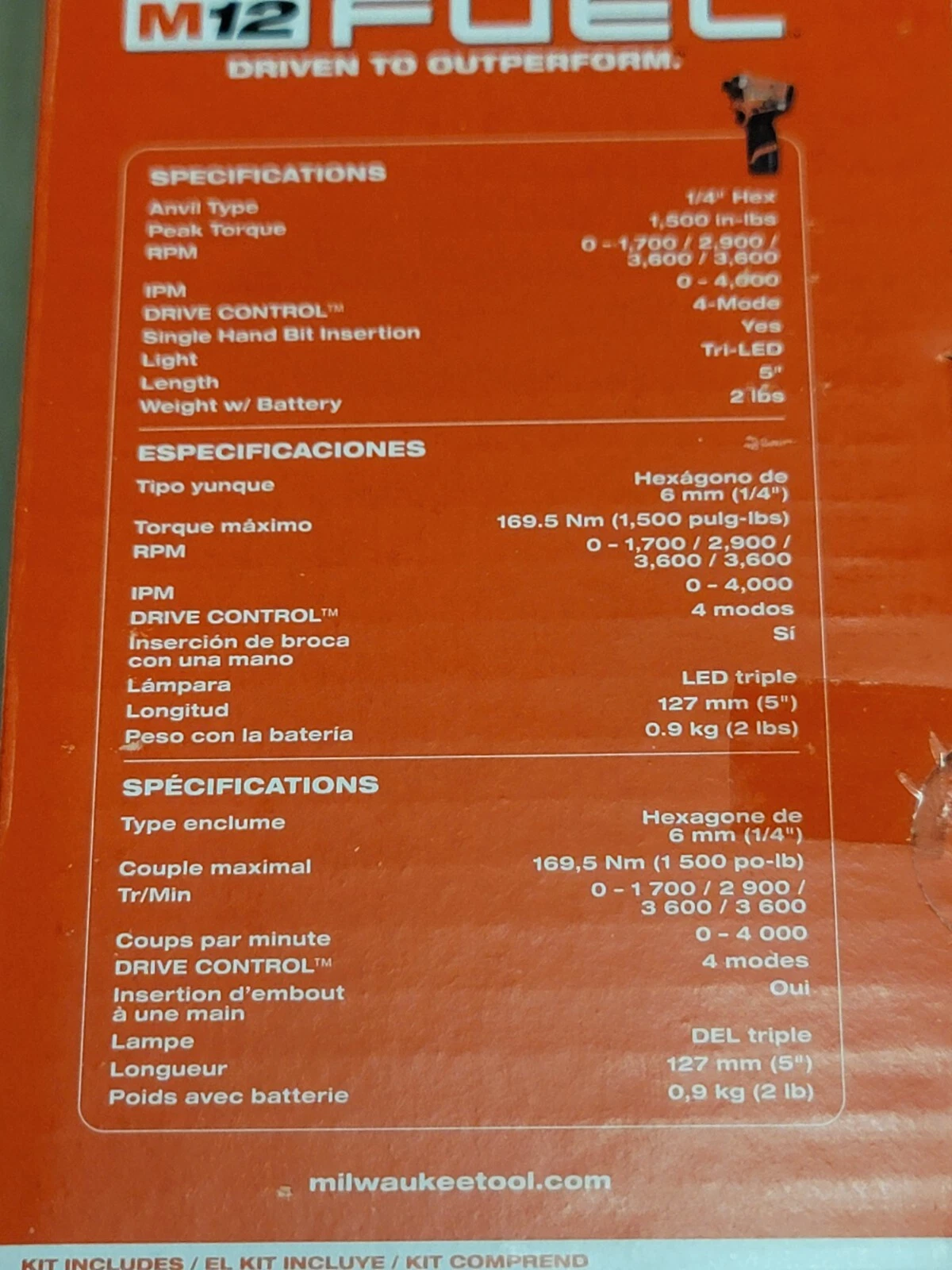
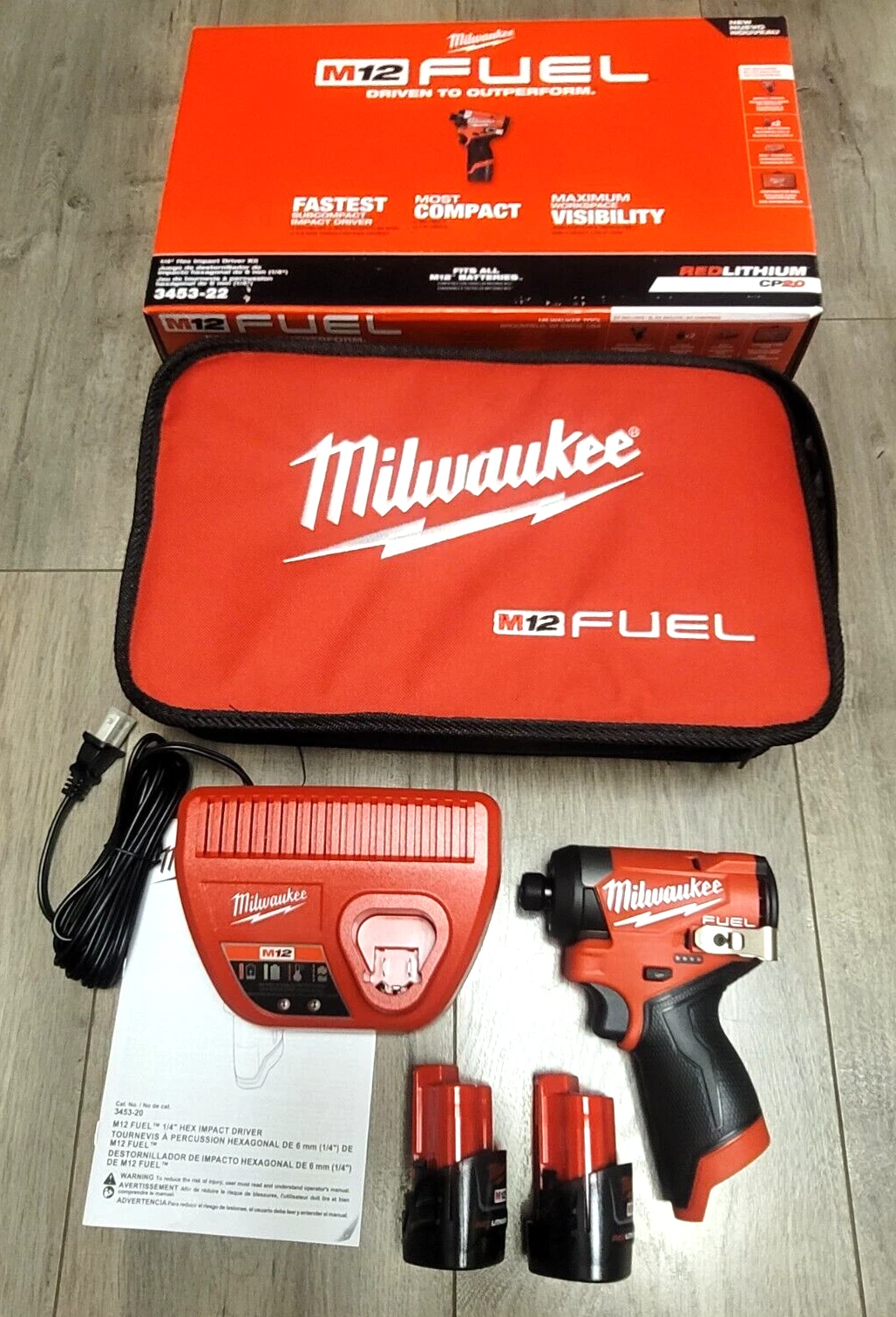
Milwaukee M12 Fuel Installation Driver – Best Compact / Installation Option
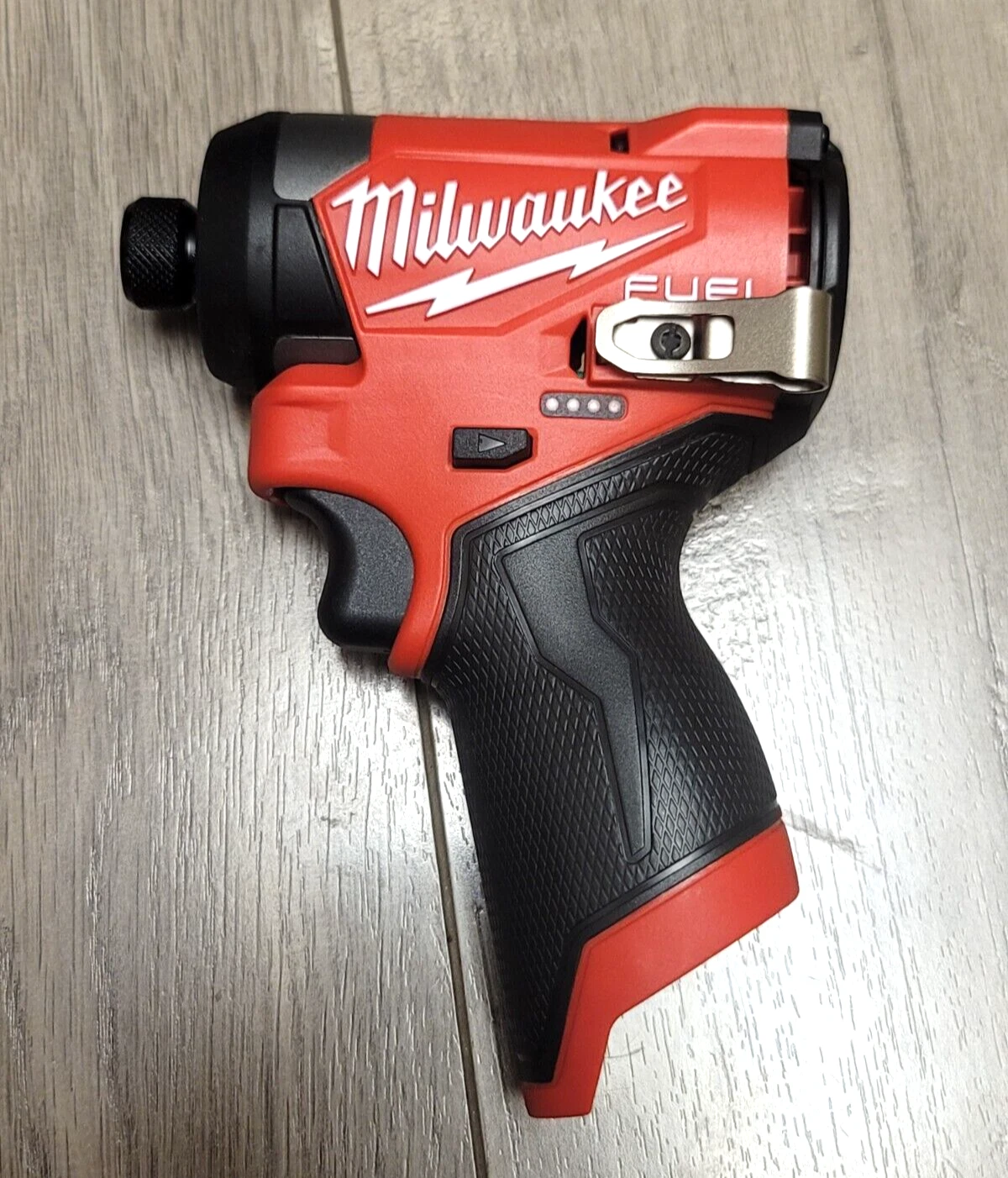
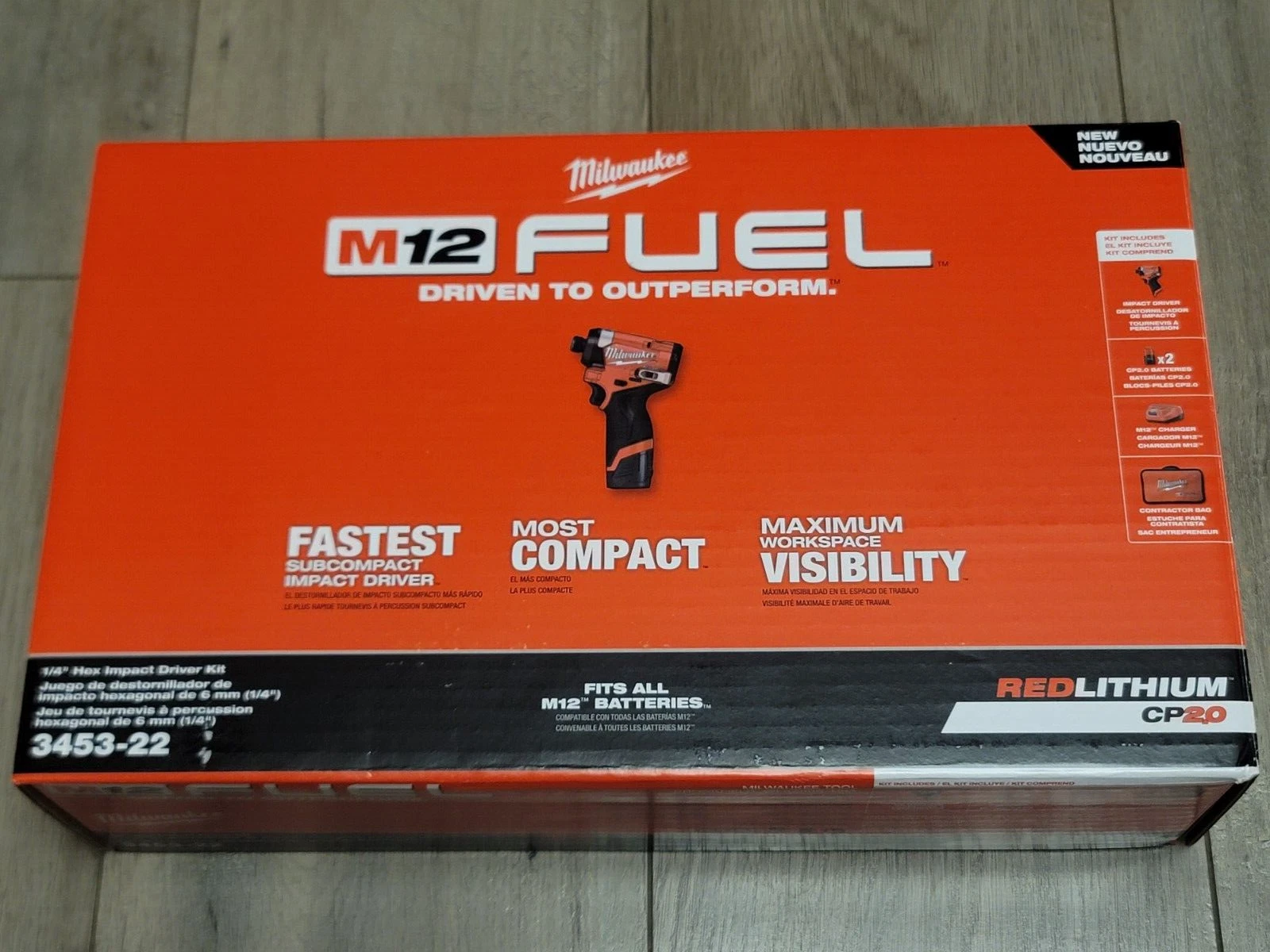
Performance in Real Home Projects
- Perfect for cabinet hardware, hinges, and fixtures.
- Works well in tight corners and narrow spaces.
- Not designed for heavy drilling or large holes.
Battery, Charging, Comfort
- Lightweight M12 batteries keep fatigue low.
- Compact size improves control in delicate tasks.
- Great balance for overhead and finish work.
Pros
- Extremely compact and versatile.
- Excellent precision for installation work.
- Interchangeable heads add flexibility.
Cons
- More expensive than basic compact drills.
- Not suitable as a single all-purpose drill.
Skip this if: you want one drill to handle heavy-duty drilling and large fasteners.
DeWalt Xtreme 12V Max Drill Driver – Best 12V from DeWalt


Performance in Real Home Projects
- Great for furniture assembly, shelving, and hardware.
- Enough power for wood and drywall without overdriving screws.
- Better control than larger drills for delicate tasks.
Battery, Charging, Comfort
- Lightweight battery reduces fatigue.
- Comfortable grip for extended light-duty use.
- Convenient for quick jobs where a big drill feels excessive.
Pros
- Compact and easy to handle.
- Trusted DeWalt build quality.
- Excellent control for light DIY tasks.
Cons
- Less power than DeWalt 20V Max models.
- Not suitable for heavy drilling or large fasteners.
Skip this if: you need one drill to handle demanding projects or thick materials.
Which Drill Should You Choose?
Short answer: pick based on how often you use it and what you build. Here’s the fastest way to decide.
What Actually Matters When Choosing a Drill or Driver
If you want a drill that feels good to use and lasts, focus on the few specs that actually change your day-to-day results. Most marketing specs matter less than control, battery ecosystem, and choosing the right size for your work.
1) Voltage: 12V vs 18V or 20V
- 12V: lighter, easier to handle, great for cabinets, assembly, and everyday repairs.
- 18V or 20V: better for bigger holes, denser materials, and more frequent projects.
- If you want one drill for most tasks, a mid-range 18V or 20V brushless model is usually the safest pick.
2) Brushless vs Brushed
- Brushless: typically more efficient, better under load, and often lasts longer.
- Brushed: fine for occasional light use when budget matters most.
- If you use the drill often, brushless is usually worth it.
3) Comfort and Control
- Trigger control matters more than raw power for screw driving.
- Balance and grip reduce fatigue and improve accuracy.
- For overhead work or small spaces, a compact 12V model can feel dramatically better.
4) Chuck Size and Real Use
- 3/8 inch chucks: lighter, fine for light bits and everyday tasks.
- 1/2 inch chucks: more versatile for larger bits and tougher work.
- If you will use spade bits, larger drill bits, or hole saws, prefer a 1/2 inch chuck.
5) Battery Ecosystem and Long-Term Value
- The cheapest drill can become expensive if you later switch platforms.
- Pick a battery system that fits your future tools: impact driver, circular saw, sander, etc.
- If you already own batteries, consider a tool-only purchase to save money.
Rule of thumb: the best long-term value is often the battery platform, not the drill itself.
6) When You Actually Need an Impact Driver
- For long screws, lag bolts, and tougher driving tasks, an impact driver can feel easier.
- For drilling holes, a drill driver is the right tool.
- A drill plus an impact driver is the best combo for many homeowners.